
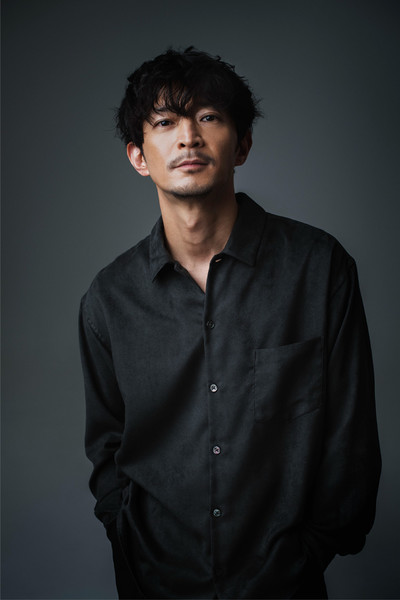
Renowned voice actor Kenjiro Tsuda (Kenjirō Tsuda) has filed a lawsuit against the company operating the short-video sharing app TikTok in Tokyo District Court, demanding the removal of videos alleged to use artificial intelligence (AI) to clone his voice without any authorization whatsoever. The matter was reported by the Yomiuri Shimbun Online.
Background of the Case
Tsuda filed the lawsuit in November of last year, and by the present time there have already been three preliminary hearings in the closed-door format — the stage at which each party presents the key issues in dispute and their legal grounds. A full oral hearing is expected to take place during the coming summer.
According to the details in the complaint, the TikTok account in question belongs to an anonymous individual. The videos feature narration of trivia about the city and various interesting facts. The account had posted at least 188 clips between July 2024 and the date the lawsuit was filed. Based on information that the poster disclosed on other platforms, the revenue from these videos was estimated at approximately 500,000 to 750,000 yen (roughly USD 3,140 to 4,396) per month.
Allegations and Counter-Arguments
Tsuda’s legal team contends that the videos use a voice generated by AI to mimic Tsuda’s voice — characterized as having a “mellow, low-pitched” tone — including a “husky quality,” in a way that could lead viewers to mistakenly believe they are hearing his actual voice. The plaintiff cites the Unfair Competition Prevention Act and the Right of Publicity — which protects public figures such as artists and performers — as legal grounds.
TikTok, in turn, countered that the voice used in the videos is a “generic male voice” derived from AI training on the poster’s friend’s voice, which the poster clearly disclosed on an external website. TikTok maintained that no misleading content was created, and therefore no laws were violated, and continued to deny the demand to remove the content citing the Right of Publicity, arguing that the majority of the videos focus on the content, not the narrating voice.
Comments from Legal Counsel
Kei Hirano, Tsuda’s attorney, told the Yomiuri Shimbun: “If voice production using someone’s voice without permission is allowed to continue unchecked, it could cause serious harm to the voiceover industry.” He expressed hope that winning this case will help define the boundaries of legal violation, and serve as a catalyst for other voice actors to stand up for their own rights.
TikTok’s Japanese subsidiary stated only that it is responding to the lawsuit appropriately and will not be providing further comment at this time.
About Kenjiro Tsuda
Tsuda is a voice actor widely recognized by anime fans around the world. Among his most notable roles are Kento Nanami in Jujutsu Kaisen, Seto Kaiba in Yu-Gi-Oh!, Tatsu in The Way of the Househusband, Sadaharu Inui in The Prince of Tennis, and Heikichi Ogata in Golden Kamuy, among others.
This case is considered one of the landmark disputes reflecting the challenges facing the entertainment industry in an era where AI can convincingly clone human voices, and the outcome may have significant implications for voice acting industry regulations in Japan going forward.
Source: ann_jp
 (แชร์แล้วไปกดรับที่หน้าภารกิจ · วันละ 1 times)
